
Assisted living activities are more than scheduled entertainment. A well-planned recreation program can help residents maintain routines, stay socially connected, use familiar skills, support mobility, and continue making everyday choices. In Womelsdorf, PA, seasonal weather, transportation needs, and the preferences of an individual community can all affect how activities are planned.
What types of activities are offered in assisted living?
Assisted living communities commonly provide a mix of physical, social, creative, educational, spiritual, and recreational activities. The schedule may include both group programs and quieter options for residents who prefer individual or small-group participation.
Common examples include:
- Chair exercises, stretching, balance practice, and walking groups
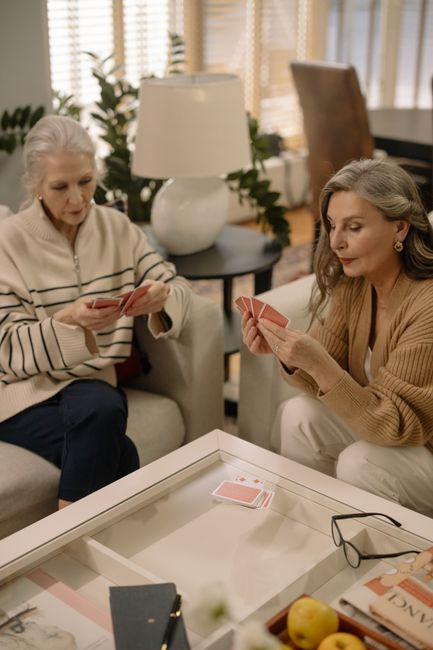
- Card games, board games, puzzles, trivia, and word activities
- Arts and crafts, painting, knitting, sewing, or seasonal projects
- Music programs, sing-alongs, dancing, and opportunities to play instruments
- Reading groups, current-events discussions, and educational presentations
- Gardening, indoor planting, flower arranging, or nature observation
- Baking, cooking demonstrations, and familiar household projects
- Religious or spiritual gatherings based on resident preference
- Birthday celebrations, holiday programs, and family events
- Outdoor time on patios, walking paths, porches, or landscaped areas
Activities should not be judged only by how entertaining they appear. A simple coffee discussion, a familiar song, or folding towels for a household project may be meaningful if it gives a resident comfort, purpose, or a chance to connect with others.
Are assisted living activities required in Pennsylvania?
Pennsylvania assisted living residences are expected to maintain a daily activities program. The program is intended to encourage involvement with other residents, family members, and the broader community, while providing appropriate space and equipment.
This does not mean every resident must attend every scheduled event. Residents should be able to make choices about participation, including choosing a different activity, spending time privately, or joining for only part of a program. A posted calendar is useful, but the quality of the program also depends on whether staff understand individual interests, abilities, and limitations.
Families may reasonably ask whether the activity calendar changes regularly, whether residents help shape the schedule, and how the community adapts activities for people with mobility limitations, hearing loss, vision changes, or memory impairment.
How are activities adapted for different abilities?
A strong recreation program offers more than one way to participate. Someone who cannot stand for a group exercise may still be able to complete movements from a chair. A resident with limited hand strength may enjoy music, conversation, or sensory activities instead of crafts requiring fine motor control.
Useful adaptations may include:
- Large-print activity materials
- Written instructions paired with demonstrations
- Quiet rooms for residents who become overwhelmed by noise
- Shorter programs with breaks
- Seated versions of movement activities
- Familiar music and objects for residents with memory loss
- Staff assistance with transportation within the building
- Smaller groups for residents who do not enjoy crowded settings
Cognitive changes should not automatically exclude a resident from recreation. Activities may be simplified, repeated, or focused on enjoyment rather than completion. For example, a resident may participate in sorting objects by color, looking through familiar photographs, listening to music, or helping arrange napkins for a meal.
Do residents have a say in the activity calendar?
They should. Resident preferences are one of the clearest indicators of whether activities are genuinely useful. A calendar designed entirely by staff may contain plenty of events but still fail to reflect the people living there.
Residents and families can ask:
- How are activity suggestions collected?
- Are there resident meetings or preference surveys?
- Can residents request a favorite game, song, craft, or discussion topic?
- Are programs offered at different times of day?
- Are there options for early risers, afternoon participants, and evening socializing?
- What happens when an activity is canceled?
- Are family members invited to participate in selected programs?
A resident who does not attend group activities may still have valuable input. Staff might learn about personal interests through conversation, life-history information, family members, or observations of what naturally holds the resident’s attention.
What role do outdoor activities play in Womelsdorf?
Outdoor recreation can be especially valuable in a community with changing seasons. Spring and summer may allow for gardening, shaded walks, porch conversations, outdoor games, and visits to landscaped areas. Fall can support leaf viewing, seasonal crafts, and short outdoor gatherings. During winter, indoor programs may need to provide more movement, daylight exposure, and social contact.
Cold temperatures, snow, ice, heat, humidity, and uneven walking surfaces require careful planning. Outdoor participation should include safe footwear, accessible paths, shade or shelter, seating, hydration, and appropriate supervision. Residents should not feel pressured to go outside when conditions are uncomfortable or unsafe.
Even when outdoor activity is not practical, indoor spaces with natural light, views of trees or gardens, and comfortable seating can help maintain a connection with the changing seasons.
Are outings part of assisted living recreation?
Some communities organize outings or community-based activities, while others rely mostly on programs inside the residence. Possible outings may include scenic drives, cultural events, worship services, seasonal displays, or visits to community spaces. Availability depends on transportation, staffing, weather, accessibility, and each resident’s support needs.
Families should ask how outings are planned and whether residents receive enough information to decide if they want to participate. Important details include travel time, vehicle accessibility, restroom availability, walking distances, medication schedules, and what happens if a resident becomes tired or uncomfortable.
A community connection does not always require a major trip. Visitors, local performers, intergenerational programs, letter-writing projects, and shared activities with family members can also help residents feel connected beyond the building.
How can families support meaningful recreation?
Families can help by sharing practical information about a resident’s history and preferences. A person who never enjoyed organized games may prefer music, gardening, sports discussions, cooking, or one-to-one conversation. Details about former occupations, hobbies, cultural traditions, favorite subjects, and daily routines can help staff create more personal activities.
Families may also bring photographs, large-print books, craft materials, music recordings, or familiar objects when permitted by the residence. Participation should remain comfortable and voluntary. Visiting during a scheduled activity can be useful, but quiet time together may be more appropriate for a resident who becomes fatigued in groups.
What should residents look for in an activity program?
The most useful activity calendar is varied, accessible, and responsive. It should include both energetic and quiet options, scheduled events and informal opportunities, indoor and outdoor choices, and programs that appeal to different interests.
During a visit, observe whether residents appear engaged or merely present. Look for comfortable seating, clear pathways, suitable lighting, readable calendars, accessible materials, and staff who encourage participation without pressuring anyone. Also notice whether residents are allowed to leave an activity, change their minds, or spend time in a quieter setting.
A successful program is not measured by attendance alone. It is reflected in whether residents have meaningful choices, regular opportunities for connection, and activities that help daily life feel familiar, purposeful, and personally relevant.
