
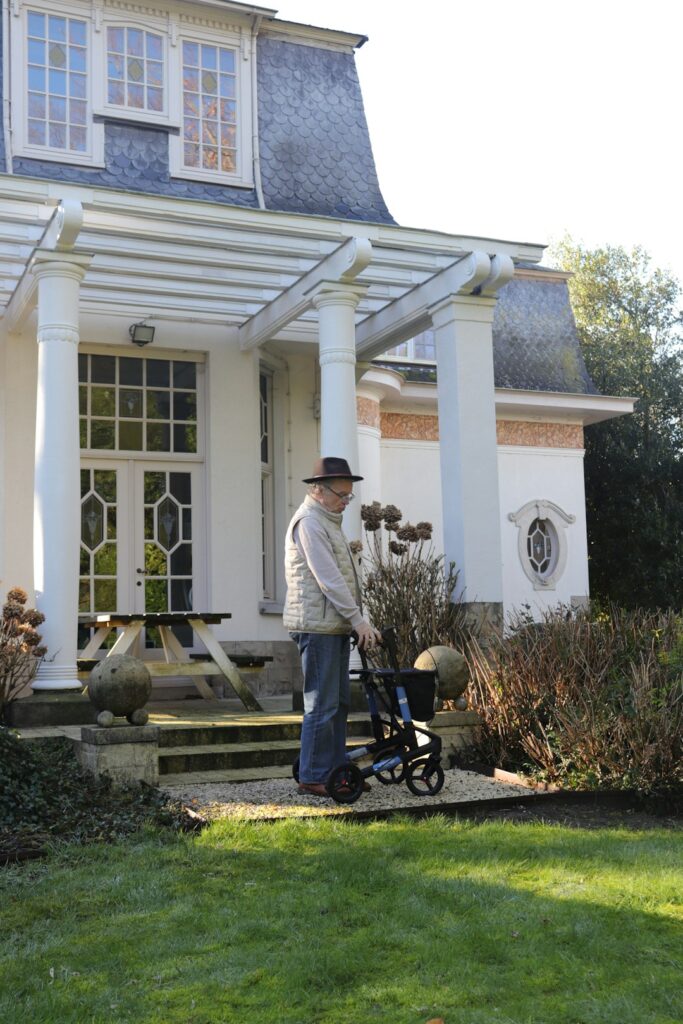
Assisted living staff help residents with daily routines, personal care, safety, health coordination, and social activities while encouraging as much independence as possible. The type and amount of support should be based on each resident’s needs, preferences, assessment, and support plan.
In Pennsylvania, assisted living residences are residential settings rather than nursing homes. Staff may provide substantial assistance, but the residence is not designed to replace every service offered in a skilled nursing facility. Understanding what staff do can help residents and families set realistic expectations and recognize when care needs have changed.
What do assisted living staff help residents with?
Staff commonly assist with activities of daily living, household routines, supervision, and coordination with outside health professionals. The level of help varies from person to person.
Support may include:
- Bathing, grooming, oral care, and dressing
- Toileting and incontinence care
- Walking, transferring, and positioning
- Meals, hydration, and special dietary needs
- Laundry, housekeeping, and keeping a living space orderly
- Reminders and assistance related to medications
- Transportation coordination for appointments
- Communication with family members, physicians, therapists, or pharmacies
- Social activities, recreation, and emotional support
Assistance should not automatically mean that staff take over every task. A resident who can safely button a shirt, use a walker, or select clothing may be encouraged to do so independently. Preserving familiar abilities can support confidence and help residents remain involved in their own routines.
How is a resident’s care planned?
Staff begin by learning what a resident can do, what assistance is needed, and what preferences should be respected. This information is recorded in an assessment and support plan, which guides daily care.
A useful support plan may address:
- Mobility and fall risks
- Personal hygiene routines
- Eating habits and dietary restrictions
- Medication assistance
- Communication needs
- Cognitive changes or memory concerns
- Sleep patterns and nighttime needs
- Personal interests and activity preferences
- Emergency considerations
- The resident’s goals and choices
The plan should be updated when a resident’s condition, abilities, or needs change. A sudden increase in confusion, repeated falls, reduced appetite, difficulty swallowing, or a new need for hands-on help may require reassessment.
Residents and families can ask what is included in the support plan, which tasks staff perform, and which services may require separate arrangements. Clear explanations reduce misunderstandings about the difference between routine assistance and skilled medical care.
How do staff support personal dignity and independence?
Good assistance is not only about completing tasks. It also involves privacy, respectful communication, patience, and allowing residents to make appropriate choices.
For example, staff may:
- Offer clothing choices rather than selecting everything without asking
- Explain each step before helping with bathing or transfers
- Knock before entering a living unit
- Provide privacy during toileting and personal care
- Use the resident’s preferred name and communication style
- Allow extra time for a resident who moves or speaks slowly
- Encourage participation in meals, activities, and household decisions
Residents do not lose their rights because they need help. They generally retain the right to participate in decisions, maintain personal belongings, communicate with others, follow personal routines when safe, and raise concerns about care.
Respectful care can be especially important for people living with memory loss. Repeated correction, rushing, or arguing may increase distress. Calm redirection, familiar routines, simple choices, and a quiet environment are often more helpful.
What role do staff play in medication support?
Medication assistance can range from reminders to more direct support, depending on the residence, the resident’s abilities, and Pennsylvania requirements. Staff may help a resident remember a scheduled dose, access medication, follow an established medication routine, or coordinate with licensed health professionals.
Medication support is not always the same as medication management by a nurse or physician. Residents and families should ask:
- Who orders and reviews medications?
- Who gives medications or provides reminders?
- How are missed doses documented?
- How are side effects or changes in condition reported?
- What happens when a medication is changed after a medical appointment?
- Can residents self-administer any medications?

A staff member should not casually change a dose, stop a medication, or substitute a medication without proper authorization. Concerns such as dizziness, unusual sleepiness, confusion, rash, or repeated refusal should be communicated through the residence’s established health-care process.
How do staff help with meals and hydration?
Food service staff and direct-care workers may support residents by serving meals, accommodating documented dietary needs, opening containers, cutting food, offering encouragement, and monitoring whether a resident is eating and drinking adequately.
A resident who eats less than usual may be experiencing dental pain, medication effects, depression, swallowing difficulty, illness, or difficulty using utensils. Staff observation can help identify these concerns early.
Seasonal conditions also matter. During hot weather, residents may need reminders to drink fluids and avoid overheating. During winter weather, wet floors, icy walkways, reduced daylight, and bulky clothing can create additional mobility concerns. Staff may help residents dress appropriately, monitor common areas, and follow safety procedures.
How do staff respond to emergencies or changing needs?
Assisted living staff receive training related to emergency procedures, resident safety, infection prevention, fire response, and other duties required for the setting. They may respond to falls, sudden illness, missing-person concerns, severe weather, power interruptions, or other urgent situations according to residence procedures.
Staff may provide immediate assistance, call emergency services when necessary, notify designated contacts, document what happened, and help arrange follow-up care. Their role is not to diagnose every medical problem. A resident whose needs exceed what the residence can safely provide may need evaluation for a different level of care.
Families should ask how the residence handles emergencies, overnight concerns, hospital returns, and temporary changes in mobility. These details are particularly relevant for households coordinating care from a distance.
How do staff support social and emotional well-being?
Social support is part of daily life, not an extra benefit. Staff may introduce residents to others, invite participation in activities, help with phone or video calls, notice signs of loneliness, and encourage familiar interests.
Activities might include music, crafts, games, exercise, discussion groups, spiritual observances, seasonal events, or time outdoors when conditions are safe. Participation should be encouraged without treating residents as children or pressuring them to join every event.
A resident who withdraws from activities, stops speaking with others, or appears persistently sad may need additional attention. Staff can report observations, but concerns about depression, anxiety, grief, or cognitive changes may require evaluation by an appropriate health-care professional.
What should residents and families expect from communication?
Residents and families should receive understandable information about daily support, significant changes, incidents, appointments, and concerns affecting safety or health. Communication works best when families provide updated contact information, medication lists, medical instructions, emergency preferences, and details about the resident’s routines.
Questions worth asking include:
- Who is the primary point of contact for care concerns?
- How are changes in condition communicated?
- How quickly are falls or injuries reported?
- What information is shared after a hospital visit?
- How can a resident report a concern privately?
- What is the process for reviewing or updating the support plan?
If a concern is not resolved, residents or representatives can continue through the residence’s complaint process and may seek information about Pennsylvania’s long-term-care oversight and ombudsman resources.
The central purpose of assisted living staff is to provide practical support without unnecessarily taking away a resident’s choices. For residents and families in Womelsdorf, understanding that balance can make daily care discussions clearer and help identify when support is working—or when the plan needs to change.
