
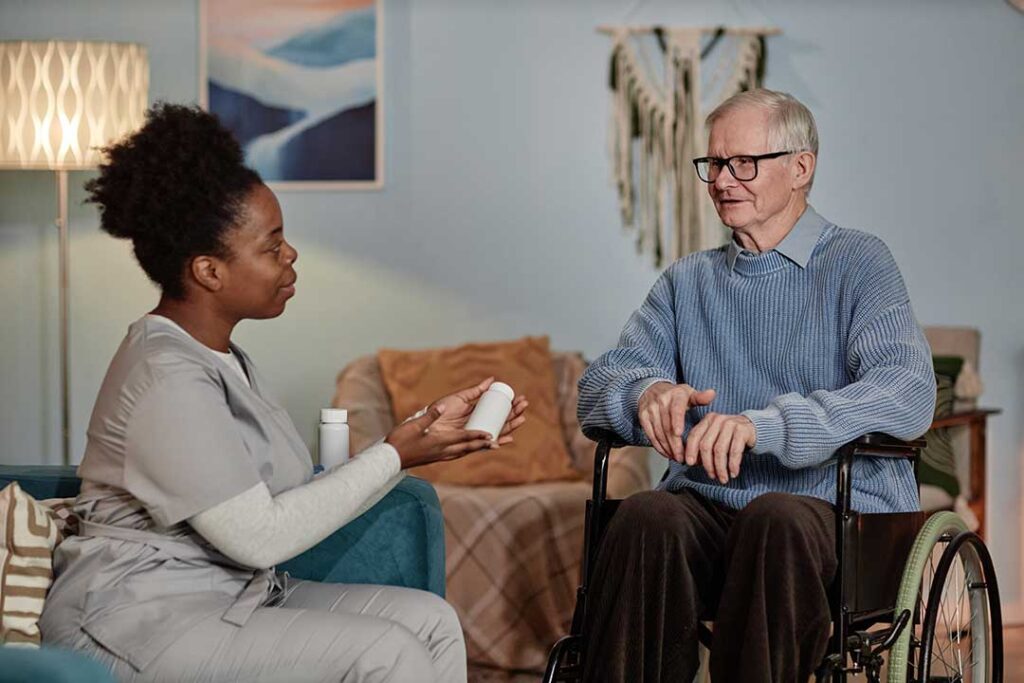
Assisted living can support social connection by creating regular opportunities for conversation, shared activities, movement, and participation in community life. For older adults in Womelsdorf, PA, this structure may be especially helpful when driving becomes difficult, family members live farther away, or a former home no longer provides enough daily interaction.
Social connection is not simply about staying busy. Meaningful relationships can support emotional well-being, confidence, routines, and a sense of belonging. The most helpful assisted living communities make room for both group participation and personal choice.
How does assisted living reduce social isolation?
Assisted living reduces isolation by placing residents near other people and offering predictable opportunities to interact. Meals, activities, hallways, outdoor areas, and common rooms create natural points of contact that may not exist when someone lives alone.
A person does not have to attend every activity to benefit. Even brief conversations during breakfast or a shared greeting in a common area can add human contact to the day. Over time, repeated contact can make relationships feel more comfortable and familiar.
This can be particularly valuable for older adults who have experienced:
- The loss of a spouse, sibling, or close friend
- Reduced driving or limited access to transportation
- Hearing, vision, or mobility changes
- A move away from a long-time neighborhood
- Health conditions that make leaving home more difficult
- Family members who cannot visit frequently
Assisted living does not automatically eliminate loneliness. A resident may still feel isolated in a busy setting, especially during the first weeks after moving. Social support works best when staff notice individual preferences and help residents find activities or companions that feel comfortable.
What types of activities help residents form relationships?
Activities that encourage conversation, cooperation, and shared interests are often more effective for relationship-building than passive entertainment. Examples may include small discussion groups, card games, crafts, music programs, walking groups, gardening, religious or spiritual gatherings, and educational presentations.
The activity itself matters less than the opportunity for repeated, low-pressure interaction. A resident who enjoys looking through family photographs may connect more easily in a small history discussion than in a large event. Someone who prefers quiet conversation may benefit from a coffee gathering rather than a crowded game.
Helpful activities often have several features:
- They occur on a regular schedule.
- They are accessible to people with different mobility levels.
- They allow residents to participate without pressure.
- They encourage conversation rather than requiring competition.
- They include adaptations for hearing, vision, memory, or dexterity changes.
- They provide ways to contribute, not just receive entertainment.
Seasonal activities can also support connection. In a community affected by cold winters, snow, and changing daylight, indoor gatherings may provide structure when walking outdoors is less appealing. During milder weather, courtyards, porches, gardens, and short supervised walks can create more relaxed opportunities to talk.
Can assisted living help residents maintain old relationships?
Yes. Assisted living can make existing relationships easier to maintain when visits are planned around the resident’s routine and abilities. Family members and friends may be able to visit in a shared lounge, private room, outdoor space, or dining area, depending on community policies.
Technology can also help maintain contact, although it should supplement rather than replace personal visits. Video calls, photo sharing, and messages may be useful for relatives who cannot travel regularly. Staff assistance may be needed when a resident has difficulty using a phone, tablet, hearing device, or internet connection.
Maintaining relationships may require practical adjustments:
- Scheduling visits at the time of day when the resident has the most energy
- Allowing extra time for hearing or speech difficulties
- Choosing a quiet space for conversation
- Bringing familiar photographs, music, or objects
- Including the resident in ordinary family updates rather than discussing only health concerns
- Keeping visits predictable when possible
For families in and around Womelsdorf, regular contact may need to account for winter weather, household schedules, and transportation limitations. A shorter, consistent visit can be more meaningful than an occasional visit that is difficult to arrange.
What if a resident is shy or does not want to join group activities?
A resident should not be treated as socially unsuccessful simply because group activities are uncomfortable. Some people prefer one-on-one conversations, smaller gatherings, quiet hobbies, or observing an activity before participating.
A gradual approach may work better than repeated pressure. Staff or family members can begin with a brief introduction to one other resident, a shared meal at a quieter table, or an activity connected to a known interest. Familiarity often grows through repeated exposure.
Useful questions include:
- Does the resident prefer morning or afternoon interaction?
- Are large groups overwhelming?
- Is hearing difficulty making conversation tiring?
- Does the person enjoy practical tasks more than organized games?
- Would a familiar neighbor, family member, or staff person make participation easier?
- Is withdrawal related to sadness, pain, fatigue, medication effects, or memory changes?
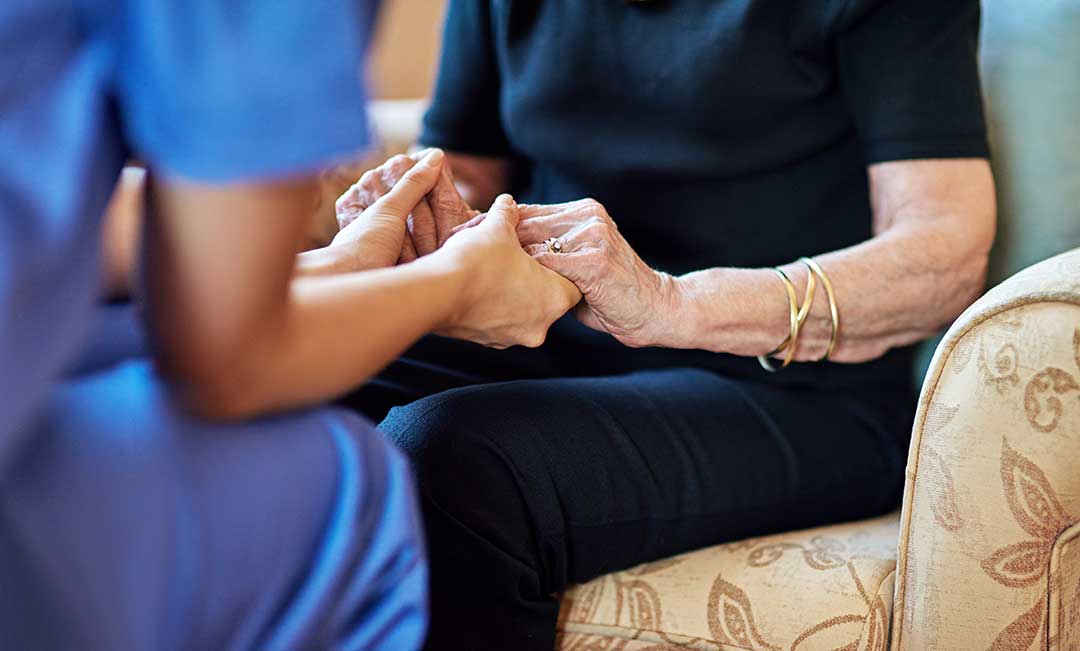
A sudden change in social behavior deserves attention. Persistent withdrawal, loss of interest, sleep changes, anxiety, or unusual sadness may reflect depression, grief, illness, medication concerns, or another health issue. In those situations, medical evaluation may be appropriate rather than assuming the resident is simply introverted.
How does daily routine support social well-being?
A predictable daily routine can make social participation easier because residents know what to expect. Regular meal times, activity schedules, rest periods, and opportunities for informal conversation reduce the effort required to decide how to spend each day.
Routine also helps staff and family members notice changes. If a resident who usually joins lunch begins eating alone, or someone who regularly attends music programs stops going, the change can prompt a supportive conversation.
Social connection may be built into ordinary moments, including:
- Eating meals with others
- Greeting staff and neighbors
- Folding towels or helping with a simple shared task
- Sitting outdoors with a small group
- Celebrating birthdays or seasonal events
- Talking with visitors in a common area
- Sharing stories about work, family, hobbies, or local traditions
These interactions may appear small, but repeated contact can create familiarity and trust. Social well-being often develops through ordinary routines rather than large events.
Does assisted living support connection outside the residence?
It can, depending on transportation, accessibility, health needs, and local programming. Some communities arrange outings, invite speakers, or support participation in nearby civic, cultural, religious, or educational activities. Others may help residents stay involved with family traditions and neighborhood relationships without requiring frequent travel.
Residents should ask how transportation is handled, whether outings are accessible, and how the community supports people who need mobility assistance or rest breaks. Seasonal conditions also matter. Safe planning may require attention to snow, ice, heat, rain, and shorter winter daylight.
Connection outside the residence is not limited to formal outings. A resident may remain involved by sending cards, participating in a family video call, tending plants, helping choose music, or sharing a recipe or story with others.
What should families look for when evaluating social opportunities?
Families can learn more by observing how people interact rather than counting the number of activities on a calendar. A useful visit may include time in a dining area, lounge, hallway, or outdoor space.
Questions to consider include:
- Do residents appear comfortable approaching one another?
- Are activities adapted for different physical and cognitive abilities?
- Can residents decline an activity without being ignored?
- Are quieter social options available?
- Do staff know residents’ interests and personalities?
- How are new residents introduced to others?
- Are family visits and private conversations supported?
- What happens when a resident begins withdrawing?
The goal is not constant activity. A socially supportive setting gives residents realistic chances to build relationships while respecting privacy, independence, energy levels, and personal history.
A strong social environment helps a resident feel known, not merely occupied. In assisted living, meaningful connection may begin with a shared meal, continue through a familiar routine, and grow into friendships that make daily life feel more secure and engaged.
